"Bought two batteries in a year and chain stores kept telling me the battery was fine. Ground Works found the alternator was undercharging at idle. Fixed it once, problem gone."
Karen B. · Newport News
Google
We test before we replace.
Mobile battery and charging repair across Hampton Roads. Load tests, alternator tests, and drain hunts on-site.
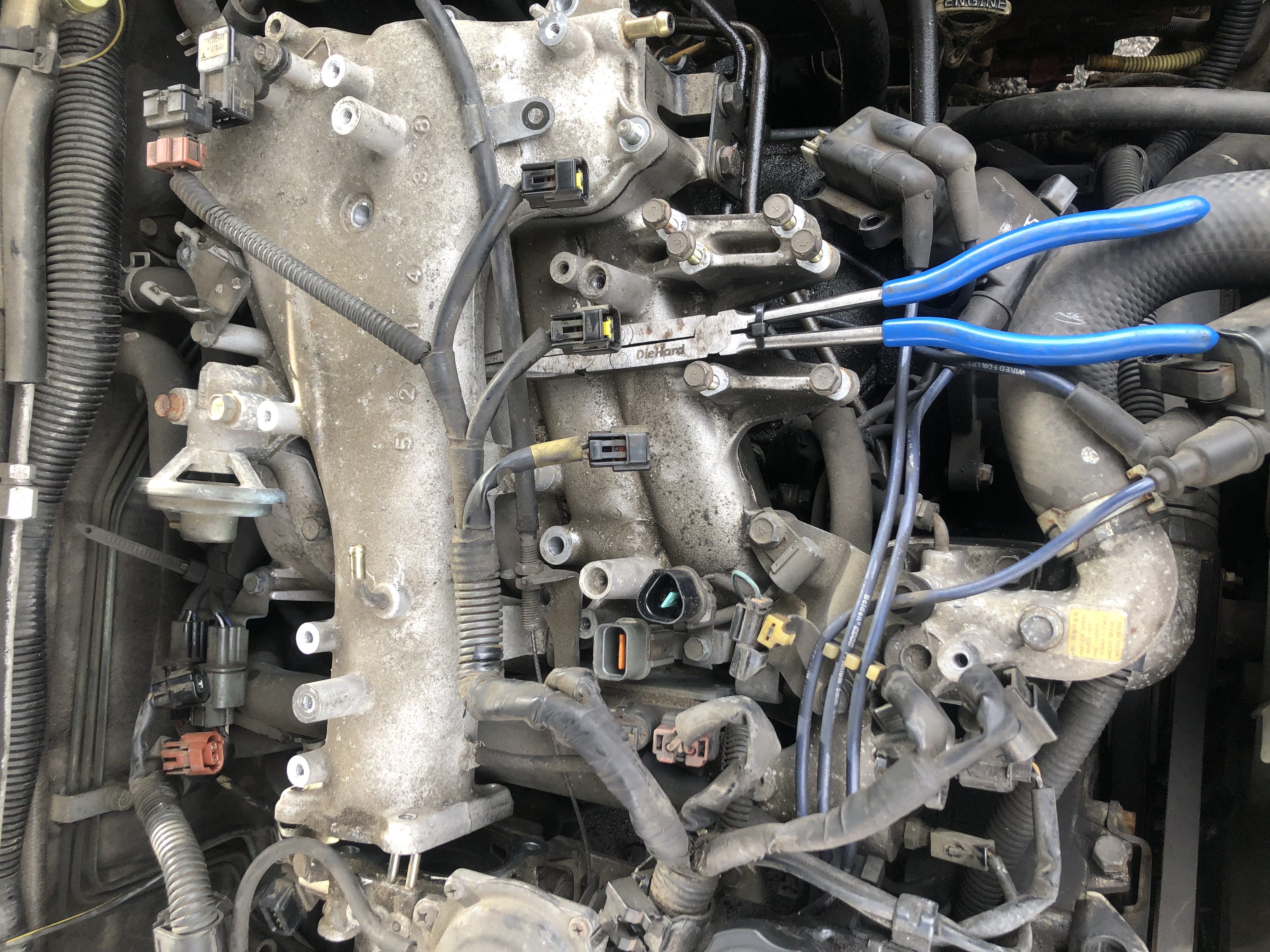
A voltmeter on a battery tells you almost nothing useful. A 12.4V battery can still fail under load. We test the whole circuit (battery, alternator, cables, grounds) to find the actual weak link.
Engine cranks slow, labors, or won't turn at all. Battery, starter, or the cables between them.
Rapid clicks or one solid click and nothing. Almost always low voltage to the starter solenoid.
Lights dim when you stop at a light, brighten when you rev. Alternator isn't keeping up at low RPM.
Battery icon or "CHG" lit on the dash. Voltage regulator is reporting low charging output to the ECM.
Sat overnight and won't start? Sat for 3 days and dead? Either parasitic drain or a battery that won't hold.
White/green crust on terminals, bulging case, or that sulfur smell. Battery is venting and needs replacement.
Carbon-pile or conductance tester pulls actual cranking amps. We see the voltage hold under load. That's the test that matters.
Engine running with full load: headlights, AC, blower on max. We check voltage at the battery and amperage on the alternator output cable.
Voltage drop across every connection. Bad grounds and crusty terminals mimic dead batteries, and a lot of "bad alternators" are really just bad ground straps.
Swap the failed component, clean the terminals, treat with anti-corrosion, and verify charging is back in spec before we leave.

"Bought two batteries in a year and chain stores kept telling me the battery was fine. Ground Works found the alternator was undercharging at idle. Fixed it once, problem gone."
"Car was dead in the Harris Teeter lot. They came in 40 minutes, jumped it, tested the system right there in the parking lot, replaced the battery on the spot. Stayed open."
"Mystery overnight drain that two other shops gave up on. They found an aftermarket alarm module that wasn't sleeping. Pulled it, problem solved in one visit."
3-5 years is typical for a flooded lead-acid battery. AGM batteries usually go 4-7. Heat shortens life, and Hampton Roads summers are brutal on batteries. Underhood temperatures cook the electrolyte.
Lots of short trips (under 15 minutes) means the alternator never fully recharges what the starter pulled out. That undercharging shortens life too.
Cold thickens the battery acid, slowing the chemical reaction that produces current. At the same time, cold engine oil makes the engine harder to crank, so the battery has to work harder right when it's least capable.
Marginal batteries that pass a summer test often fail the first real cold snap. We load-test under cranking conditions to catch them before they leave you stuck.
Something in the car is staying "on" after you shut it down. Most modules go to sleep within 30 minutes. Anything still pulling current after that is a drain.
Common culprits: faulty modules that won't sleep, glovebox or trunk lights stuck on, aftermarket alarms or stereos, stuck relays. We clamp the negative cable and measure the actual draw, then pull fuses one at a time to isolate it.
One jump now and then is fine. But repeated jumpstarts force the alternator to recharge a deeply discharged battery. That's working it way harder than it was designed for, and alternator diodes don't love that.
If you've jumped the car three times in a week, fix the underlying issue before the alternator becomes the next failure.
Yes. Most are pretty straightforward. But if the new battery dies in 6 months, your alternator was the actual problem.
Always load-test before buying a new battery. Otherwise you're just buying batteries on a treadmill. We do free testing. Call us before you go to the parts store.
Fill this out and we'll call you back, usually within the hour during business hours. No bots, no call center, no obligation.
Same-day mobile service across Hampton Roads. Most charging diagnoses done in 30 minutes.